Introduction
A dishwasher float switch controls the water level inside the appliance. When it stops working properly, the dishwasher may behave unpredictably during the fill and wash cycle.
In some situations the dishwasher may still run with a faulty float switch. In other cases the appliance may refuse to start or fail to fill with water.
Understanding how the float switch affects the wash cycle helps determine whether the switch is responsible for the problem.
What This Means
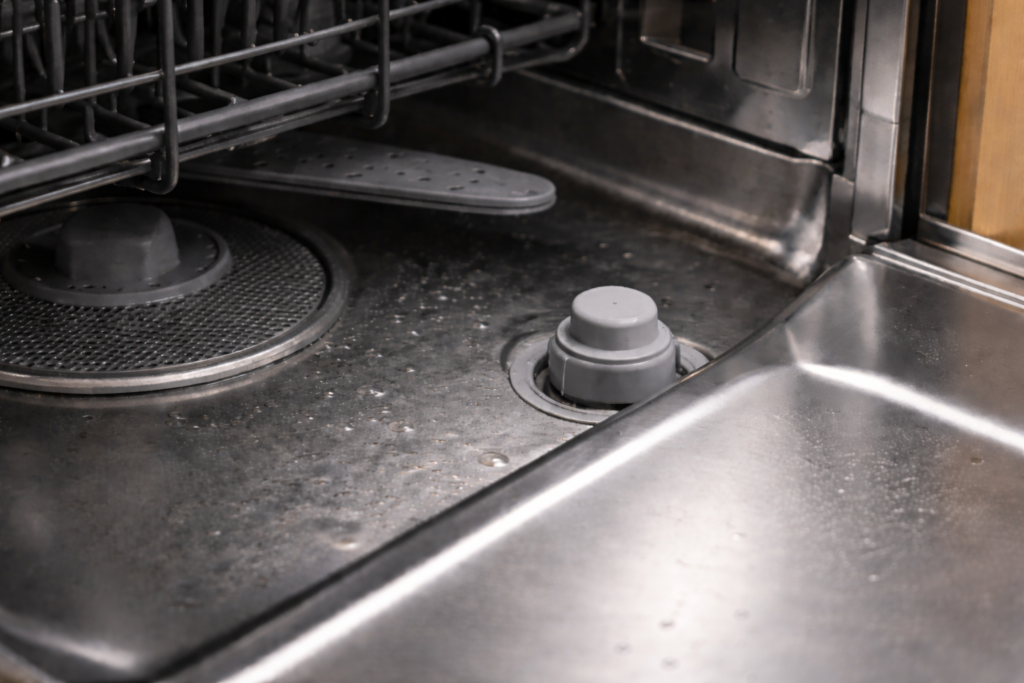
The float switch tells the dishwasher when to stop filling with water.
As water enters the tub, the float rises. When the float reaches a certain height, it activates the float switch underneath the dishwasher. This signal stops the inlet valve from adding more water.
If the switch fails, the dishwasher may misinterpret the water level and respond in several different ways depending on the failure type.
When a Dishwasher May Still Run
In some cases the dishwasher can still operate even if the float switch is not functioning correctly.
This may happen when:
• The switch fails in the open position
• The float is stuck in the down position
• The switch does not activate during filling
When this occurs, the dishwasher may fill with water and continue running normally. However, the appliance may also risk overfilling because the safety cutoff is not working properly.
Some dishwashers have additional sensors that prevent serious flooding, but this is not always the case.
When the Dishwasher Will Not Run
A faulty float switch can also prevent the dishwasher from starting.
This usually happens when the switch becomes stuck in the “full” position. When the control board believes the dishwasher is already full of water, it will not allow the fill cycle to begin.
As a result, the dishwasher may:
• Refuse to start a wash cycle
• Start but immediately stop
• Run the drain pump continuously
• Show a fill or water error code
When these symptoms appear, the float switch or float assembly should be inspected.
Problems That Can Cause the Float Switch to Misread
In many cases the float switch itself is not broken.
Instead, the float mechanism may be restricted or blocked.
Common causes include:
• Food debris trapped around the float
• Mineral buildup from hard water
• A float stuck in the raised position
• A damaged float assembly
If the float cannot move freely, the switch may send incorrect signals to the dishwasher control system.
How to Confirm the Float Switch Is the Problem
Because several dishwasher problems can appear similar, testing the float switch is often necessary.
Testing normally involves:
• Disconnecting power to the dishwasher
• Accessing the float switch underneath the appliance
• Checking the switch using a multimeter
• Confirming that continuity changes when the float moves
A full testing procedure is explained in How to Test a Dishwasher Float Switch.
When Replacement Is Necessary
If the float switch fails electrical testing or does not respond when the float moves, replacement is usually required.
Float switches are inexpensive components and are typically replaced rather than repaired.
When a replacement becomes necessary, compatible parts vary depending on the dishwasher brand and model.
For a full overview of symptoms, testing, location, and replacement, see the Complete Guide to Dishwasher Float Switches.
Related Guides
Signs a Dishwasher Float Switch Is Bad
How to Test a Dishwasher Float Switch
How to Replace a Dishwasher Float Switch