Introduction
A dishwasher float switch is a small but important safety component that prevents the appliance from overfilling with water. It works together with the float assembly to monitor water level inside the tub.
When the water level rises too high, the float lifts and triggers the float switch. This tells the dishwasher to stop filling with water. If the float switch fails, the dishwasher may overfill, stop filling entirely, or fail to start a wash cycle.
Understanding how the float switch works makes it easier to diagnose filling problems and determine whether testing or replacement is necessary.
What This Means
The float switch acts as a water level safety control.
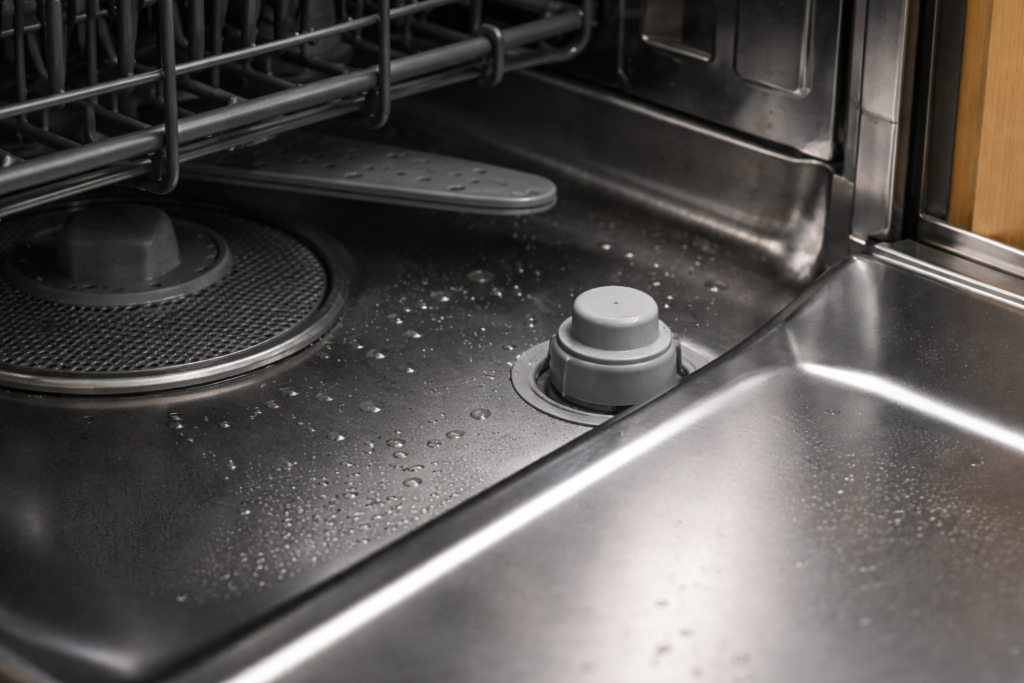
Inside the dishwasher tub is a small plastic float, usually located near the front corner. As the dishwasher fills, the float rises with the water level. When it reaches a certain height, the float presses down on the float switch underneath the tub.
The switch then sends a signal to the dishwasher control system to stop filling with water.
If the switch sticks, fails electrically, or becomes blocked by debris, the dishwasher may behave abnormally.
Common results include:
• Dishwasher stops filling too early
• Dishwasher will not start a cycle
• Dishwasher fills continuously
• Dishwasher does not add enough water
In many cases, testing the float switch can confirm whether it is working correctly.
Common Symptoms of a Bad Dishwasher Float Switch
A faulty float switch often produces noticeable filling problems.
Common signs include:
• Dishwasher will not fill with water
• Dishwasher fills very slowly or not enough
• Dishwasher stops mid-cycle
• Dishwasher will not start
• Dishwasher overfills with water
• Standing water remains after a cycle
Sometimes the problem is not the switch itself but a stuck float or debris underneath the float assembly.
If these symptoms appear, the float switch should be inspected and tested.
For a full breakdown of warning signs, see Signs a Dishwasher Float Switch Is Bad.
Where the Float Switch Is Located
The float switch sits underneath the dishwasher tub directly below the float assembly.
From inside the dishwasher, you can usually see a small round or dome-shaped float near the front corner of the tub floor.
The float switch itself is mounted underneath the dishwasher and connects to the float mechanism through a small lever or rod.
Accessing the switch normally requires removing the lower access panel at the bottom front of the dishwasher.
For a detailed explanation and visual guidance, see Where Is the Float Switch Located in a Dishwasher?
How to Test a Dishwasher Float Switch
Testing the float switch helps determine whether it is working properly.
Basic diagnostic steps include:
-
Disconnect power to the dishwasher.
-
Remove the lower access panel.
-
Locate the float switch under the float assembly.
-
Disconnect the electrical wires from the switch.
-
Use a multimeter set to continuity.
-
Check the switch terminals while pressing the float lever.
A working float switch should change continuity when the float moves up and down.
If the switch does not respond or remains open or closed regardless of movement, it may need to be replaced.
A complete testing guide is available in How to Test a Dishwasher Float Switch.
How to Replace a Dishwasher Float Switch
If testing confirms the switch has failed, replacement is usually straightforward.
Typical replacement steps include:
-
Turn off power and water supply to the dishwasher.
-
Remove the lower front access panel.
-
Locate the float switch beneath the float assembly.
-
Disconnect the wiring harness.
-
Remove the mounting screw or bracket holding the switch.
-
Install the new float switch.
-
Reconnect wiring and reassemble the panel.
Most float switch replacements take less than 20–30 minutes.
When replacement becomes necessary, compatible parts can vary by dishwasher model.
A guide to compatible parts is available in Best Replacement Dishwasher Float Switch Options.
Why Dishwasher Float Switches Fail
Float switches usually fail due to wear or contamination.
Common causes include:
• Mineral buildup from hard water
• Food debris blocking float movement
• Worn internal switch contacts
• Electrical failure inside the switch
• Damage during previous repairs
If the float cannot move freely, the switch may stay engaged or disengaged.
For deeper troubleshooting, see Why a Dishwasher Float Switch Keeps Failing.
When Replacement Is Necessary
In some cases the float switch only needs cleaning or adjustment.
Replacement is usually necessary when:
• The switch fails a continuity test
• The dishwasher continues overfilling
• The switch is physically damaged
• Electrical contacts inside the switch are worn
Float switches are inexpensive components and are often replaced instead of repaired.
Related Guides
For more detailed troubleshooting, see these guides:
What Does a Dishwasher Float Switch Do?
How to Test a Dishwasher Float Switch
How to Replace a Dishwasher Float Switch