Introduction
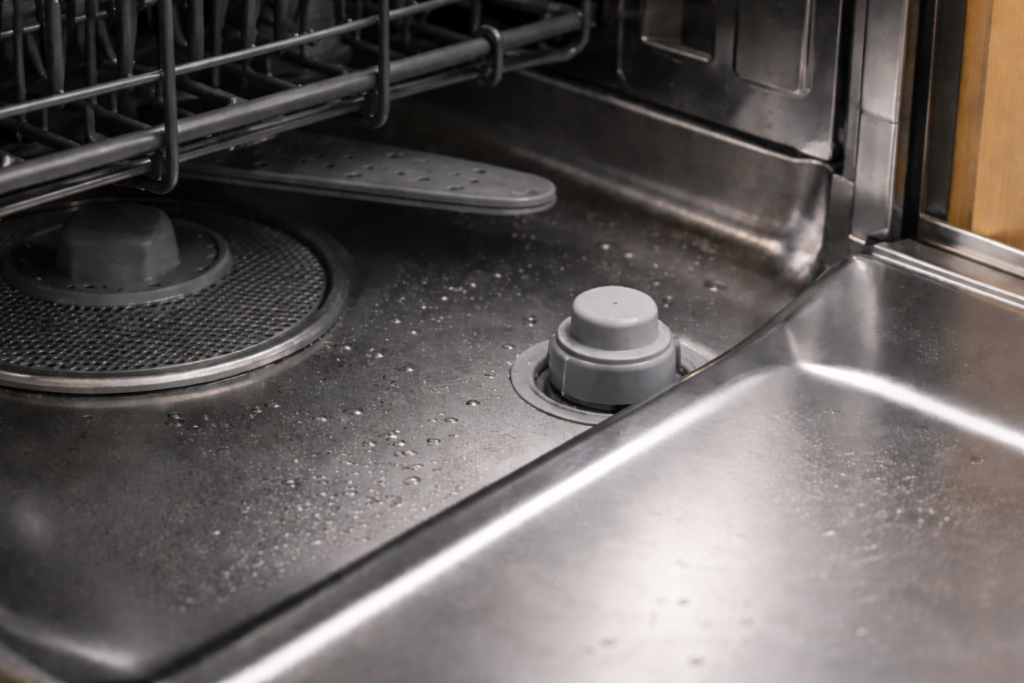
A dishwasher float switch helps control the amount of water that enters the dishwasher during a cycle. When it stops working correctly, the dishwasher may not fill properly, may overfill, or may refuse to start.
Because the float switch controls the water level signal, even a small failure can interrupt the normal wash cycle. Recognizing the early symptoms can help you determine whether the switch needs testing or replacement.
What This Means
When the float switch is working normally, it tells the dishwasher when the correct water level has been reached. Once the float rises and activates the switch, the dishwasher stops filling and begins the wash cycle.
If the switch fails, the dishwasher may misread the water level. This can cause the appliance to behave unpredictably during filling or draining.
Sometimes the issue is electrical failure inside the switch. In other cases, the float may be stuck and unable to trigger the switch properly.
Common Symptoms of a Bad Float Switch
Dishwasher Will Not Fill With Water
One of the most common signs of a faulty float switch is a dishwasher that will not fill.
If the switch remains stuck in the “full” position, the dishwasher control board may believe the tub already contains enough water. As a result, the inlet valve will not open.
Dishwasher Overfills With Water
If the float switch fails to activate when the water level rises, the dishwasher may continue filling longer than normal.
This can cause water to rise too high inside the tub and potentially leak from the door or base of the appliance.
Dishwasher Stops Mid-Cycle
Some dishwashers monitor the float switch during operation. If the switch sends inconsistent signals, the control system may stop the cycle to prevent flooding.
This can result in a cycle that suddenly stops or fails to complete.
Dishwasher Will Not Start a Wash Cycle
In some models, the dishwasher checks the float switch before starting the wash program.
If the switch appears stuck or sends an incorrect signal, the dishwasher may refuse to begin the cycle.
Water Level Is Too Low
A faulty float switch may stop the filling process too early.
When this happens, the dishwasher may run with insufficient water, which can lead to poor cleaning performance and dishes remaining dirty.
Other Problems That Can Look Similar
Float switch problems sometimes appear similar to other dishwasher issues.
For example:
• A stuck float caused by debris
• Mineral buildup restricting float movement
• A faulty water inlet valve
• Drain issues affecting water levels
Because several issues can produce similar symptoms, testing the switch is often the best way to confirm the cause.
When Replacement May Be Necessary
A float switch may need replacement if it fails electrical testing or no longer responds when the float moves.
Replacement is typically necessary when:
• The switch does not change continuity during testing
• The dishwasher repeatedly overfills
• The dishwasher will not fill at all
• The switch housing is damaged
Float switches are relatively inexpensive components and are usually replaced rather than repaired.
For a full overview of symptoms, testing, location, and replacement, see the Complete Guide to Dishwasher Float Switches.
Related Guides
Will a Dishwasher Run if the Float Switch Is Bad?
How to Test a Dishwasher Float Switch
Why a Dishwasher Float Switch Keeps Failing